
AMERICAS · EMEA · APAC · GTM & MARKET ENTRY
Growth doesn't come from funnels.
It comes from rooms.
GTM strategy for funded startups, built to survive investor scrutiny. We own the strategy, the markets, and the introductions across three regions.
900% client acquisition growth
How a DOOH startup found its beachhead market and rebuilt GTM around it.
Three moves, in order
ICP and market. Entry. Rooms. Skip one and the rest wobbles.
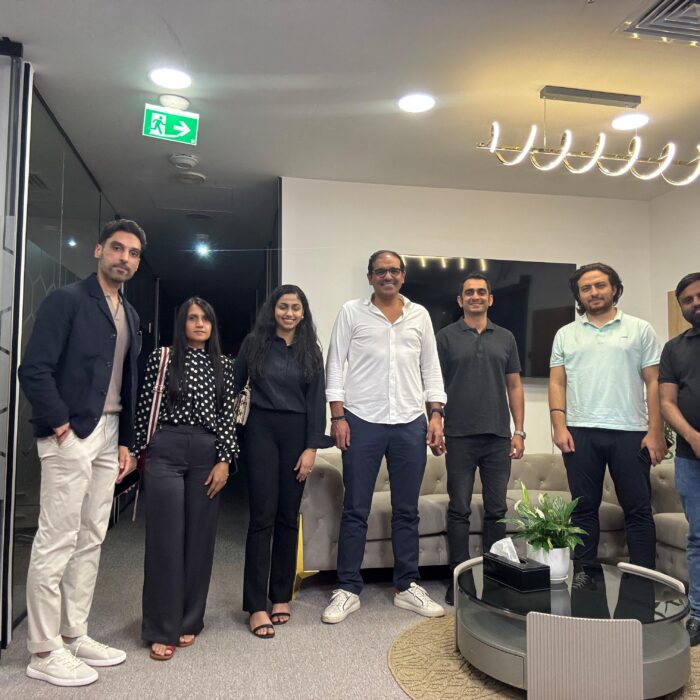
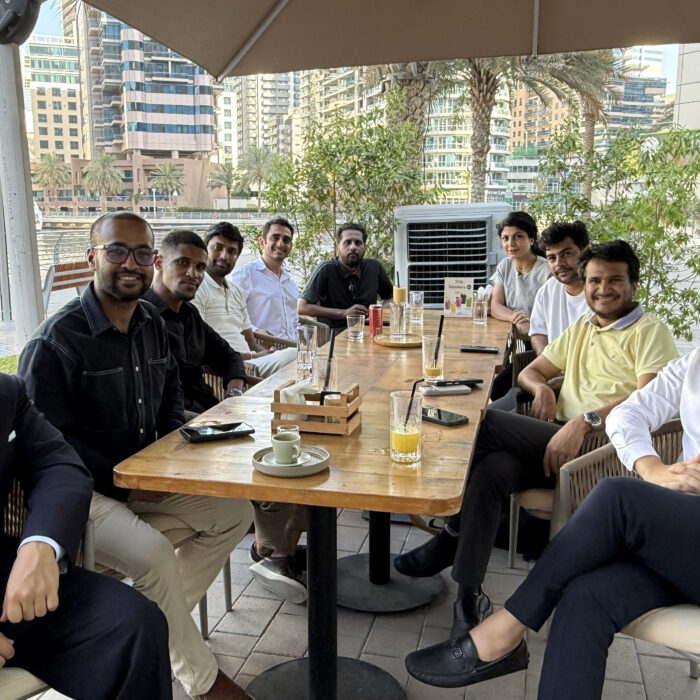
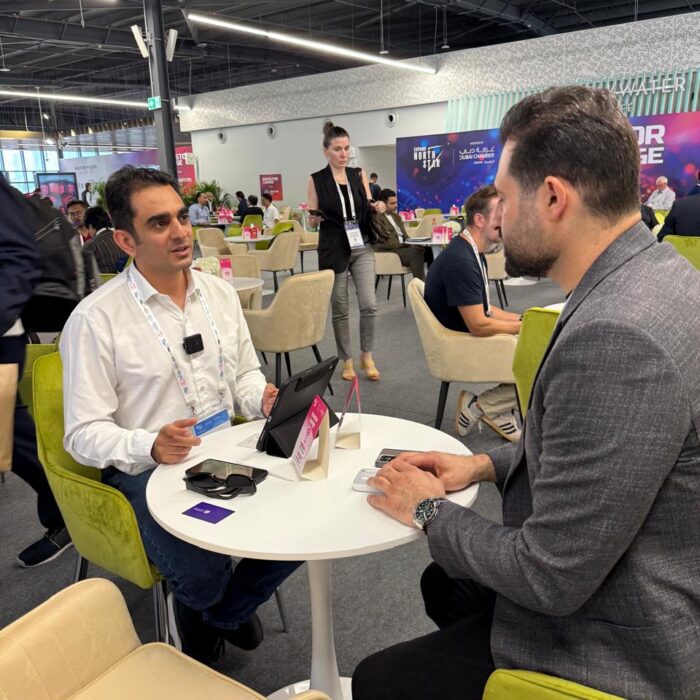
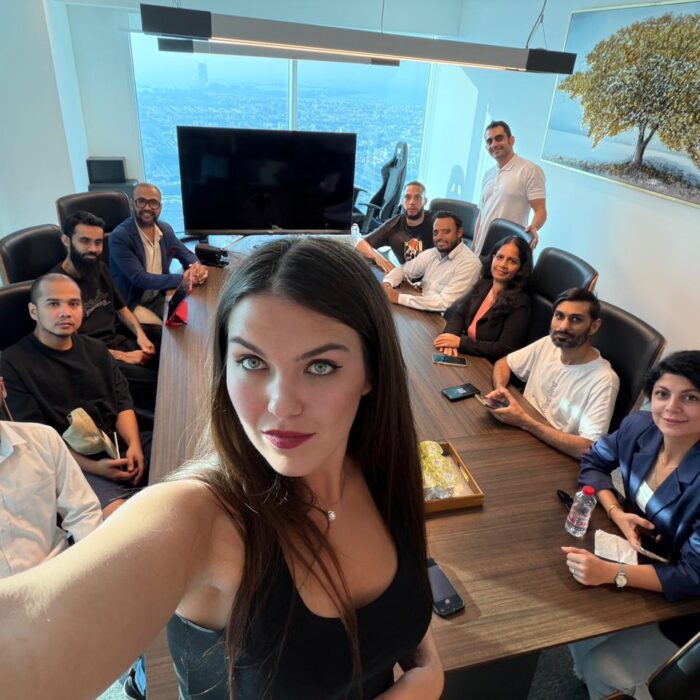
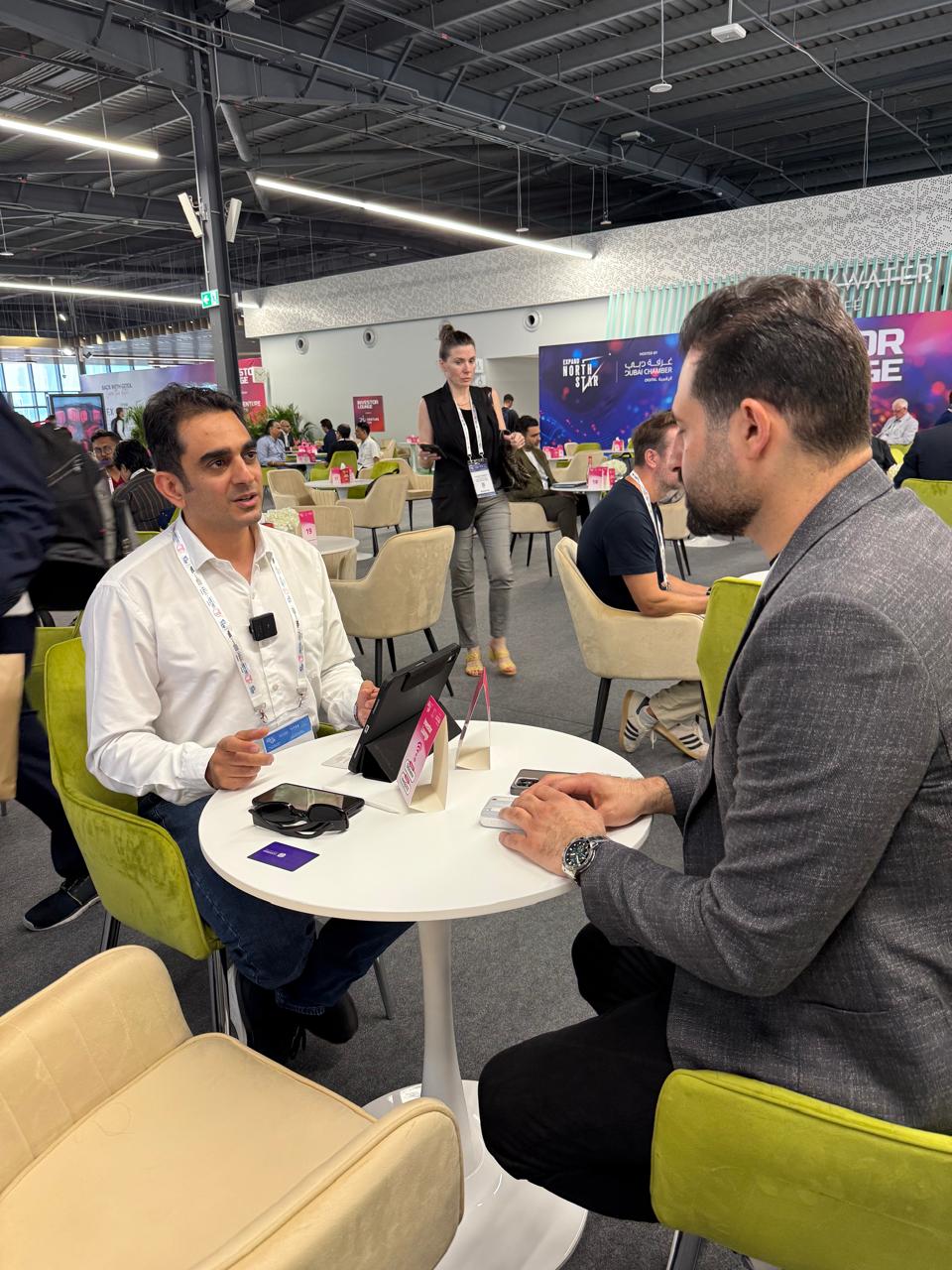
The room is the channel

The Real Problem
Most companies don’t have a demand problem.
They have an ICP and market problem.
Multiple agencies, no central strategy
Three vendors running in different directions. Nobody owns the outcome.
Spending without clarity
Marketing budget is moving, but you can’t trace it back to revenue.
Post-raise GTM pressure
You’ve closed the round. Now investors want traction. You need a plan, fast.
Entering a new region without a guide
The Americas, EMEA, and APAC each play by different rules. You need someone who already knows the room.
WHAT WE DO
Three moves, in order. Skip one and the rest wobbles.
ICP & market strategy
Find your right customer and your right market before you spend another dollar proving it the hard way.
Market entry: Americas, EMEA, APAC
Playbooks and on-the-ground guidance for entering a region you don't yet have a native feel for.
Event-led and partnership-led growth
The human channel: curated rooms, warm introductions, and ecosystem partnerships that move deals faster than a form fill ever will.
The human channel
In every market we work, deals move through relationships and the right introductions, not contact forms.
HOW WE ENGAGE
Four ways in. One standard of work.
PROJECT-GTM strategy & roadmap
3 to 6 weeks · one-time engagement
- Full GTM audit: market, competition, positioning
- ICP and beachhead market
- 90-day and 12-month roadmap
- Channel strategy and budget allocation
RETAINER-GTM management retainer
Monthly · 3-month minimum
- Monthly strategic planning
- Manage channels, teams, and agencies
- Campaign oversight
- Weekly performance reporting
FRACTIONAL-Fractional CMO
Part-time embed · 6-month minimum
- Full ownership of the marketing function
- Hiring and managing your team
- Board-level reporting
- Investor-facing GTM narrative
VISIBILITY-PR, events & partnerships
Project or retainer add-on
- Media and PR positioning
- Curated ecosystem events
- Strategic partnership development
- Founder positioning for stage and investors
WHO WE WORK WITH
A specific type of company, at a specific moment.
Funded startups * post-raise, pre-proof
You’ve raised and now need to show traction. Your investors are watching. You need GTM clarity, not more campaigns, and revenue before your next round.
International entrants * new region, no native feel
You’re entering the Americas, EMEA, or APAC and need more than a local marketing agency. You need someone who understands the market and the room.
Regional scaleups * won at home, scaling out
You’ve won in your home market. Now you’re expanding globally and need a GTM architecture that scales, with a partner who’s been through it.
COMMUNITY
We host and co-host across the Dubai startup ecosystem and beyond: founder dinners, GTM webinars, and partner sessions with the communities and investors we work alongside. If you want to meet us before you work with us, this is where.
PARTNER NETWORK
We don't believe one firm knows everything.
Investors & VCs
Active investors across our regions. Warm introductions when you’re ready.
Communities & ecosystem
Startup communities and ecosystem bodies across the Gulf and beyond. Credibility transfers on day one.
Marketing specialists
Deep channel experts who plug in when specialist execution is needed.
Operators & advisors
Founders who’ve scaled tech companies across borders. Available as advisors.
OUR PARTNERS AND SUPPORTERS




READY?
If you’re serious about growth, let’s talk.










Common Questions
A go-to-market consultancy helps companies decide who to sell to, which markets to enter, and how to reach buyers in those markets. Unlike a marketing agency, which executes campaigns in channels you’ve already chosen, a GTM consultancy works upstream: defining the ideal customer profile, selecting the beachhead market, and building the strategy that channel spend follows.
The work typically covers four areas: market and competitive analysis, ICP definition, market entry planning, and channel strategy with budget allocation. For funded startups, it often extends to the GTM narrative used in board meetings and fundraising conversations.
At Talidmas, we work in three moves and in order: ICP and market strategy first, then market entry, then event-led and partnership-led growth. Companies that skip the first move usually spend a year proving it the hard way.
GTM strategy engagements in the UAE typically run from AED 10,000 for a short feasibility assessment to AED 150,000 or more for a full strategy and roadmap with ongoing management. A one-time GTM strategy project usually lands between AED 40,000 and AED 90,000 depending on scope and number of markets.
Pricing generally follows the engagement model rather than the deliverable:
- Feasibility sprint (1 to 2 weeks): a focused assessment of whether a specific market is viable and what entry would require
- GTM strategy and roadmap (3 to 6 weeks): full audit, ICP, beachhead market, and a 90-day plus 12-month plan
- Management retainer (monthly, 3-month minimum): ongoing strategic planning and oversight of channels, teams, and agencies
- Fractional CMO (6-month minimum): part-time ownership of the marketing function, including board-level reporting
Fractional CMO arrangements in the UAE commonly price between AED 20,000 and AED 45,000 per month depending on time commitment.
What moves the number most: how many markets are in scope, whether the work includes execution or stops at strategy, and whether the company is pre-revenue or scaling an existing motion.
The difference is scope and ownership. A marketing agency executes in specific channels. A GTM consultant sets the strategy that decides which channels to use. A fractional CMO owns the marketing function part-time, including the team, the budget, and the reporting.
Marketing agency. Executes campaigns in a defined channel: paid, content, SEO, social. You tell them the target and the channel; they run it. Best when strategy is settled and you need execution capacity.
GTM consultant. Works before channel selection. Defines the ICP, chooses the market, builds the roadmap, and allocates the budget across channels. Best after a raise, before a market entry, or when pipeline doesn’t match who you’re actually best positioned to serve.
Fractional CMO. Embedded part-time leadership. Owns the function end to end: hiring, managing agencies, board reporting, and the investor-facing GTM narrative. Best when you need a marketing leader but not a full-time salary.
The common failure mode is hiring agencies before strategy. Three vendors in different channels, each optimising their own metric, and nobody owning the revenue outcome. If you can’t trace marketing spend back to pipeline, the problem is usually upstream of the agencies.
Entering the UAE market as a foreign tech company requires more than a trade licence. The practical barrier for most B2B companies is enterprise contractability: whether a UAE enterprise buyer can actually sign, pay, and support a contract with you. That means a local entity or a contracting path, VAT registration, the ability to invoice in AED, and clear support and SLA coverage inside the country.
The sequence that works:
- Confirm contractability before licensing. Ask your target buyers what their procurement requires. Many UAE enterprises cannot raise a purchase order to a foreign entity, or will only do so with terms that make the deal uneconomic.
- Choose the entity structure that matches your buyer. Mainland, free zone, and branch structures differ in who you can invoice and what activities you’re licensed for. Free zone is faster and cheaper; mainland is sometimes required to sell directly to government or certain enterprise buyers.
- Register for VAT. UAE VAT is 5%. Registration is mandatory above the threshold and often expected by enterprise buyers regardless.
- Solve support and SLA coverage locally. For hardware or infrastructure products, buyers will ask who fixes it and how fast. A remote answer loses deals.
- Build the introduction path. In the Gulf, enterprise deals move through relationships and warm introductions far more than through outbound. Budget time for the room, not just the campaign.
The most common mistake is treating UAE entry as a marketing problem. It is usually a contracting and distribution problem first, and a marketing problem second.
Investors look for evidence that growth is repeatable rather than lucky. In practice that means a clearly defined ICP with proof of why that segment converts, unit economics that hold as spend scales, a named beachhead market with a logic for expansion, and channel results that don’t depend on the founder personally closing every deal.
The specific things that come up in diligence:
- ICP definition backed by data. Not a persona document. Evidence that a defined segment converts better, retains longer, or pays more, drawn from your actual pipeline.
- CAC payback and its trend. A number that is improving tells a better story than a number that is low but flat.
- Pipeline coverage. Enough qualified pipeline to hit the next-round plan, not just the current quarter.
- Channel concentration risk. Growth from a single channel is fragile. Investors ask what happens when that channel’s cost doubles.
- Founder dependency. If every closed deal has the founder’s name on it, the motion hasn’t been proven yet.
- Market sizing that survives scrutiny. Bottom-up, from actual accounts and deal sizes, not a percentage of a top-down TAM.
The GTM narrative in a deck often falls apart when someone asks why this segment and not an adjacent one. A strategy built to answer that question in advance holds up in the room.
The clearest trigger is immediately after a raise, when investors expect traction and the company needs a plan faster than it can hire for one. The second is before entering a new region, where local knowledge shortens the learning curve by months. The third is when marketing spend is moving but can’t be traced back to revenue.
Concrete signals it’s time:
- You’ve closed a round and the board wants a 12-month GTM plan
- Pipeline doesn’t reflect the customers you’re actually best positioned to serve
- You’re running two or three agencies and nobody owns the revenue number
- You’re entering the Americas, EMEA, or APAC without a native feel for how the market buys
- You need a marketing leader but a full-time CMO hire is 6 months and a salary you can’t justify yet
- You’ve won at home and the motion doesn’t transfer to the next market
Signals it isn’t time yet: pre-product-market-fit with no revenue signal at all, or a settled strategy that just needs execution hands. The first needs product work; the second needs an agency.
An ideal customer profile is a description of the company type that gets the most value from your product and is therefore cheapest to acquire and slowest to churn. It is a company-level definition, not a person: industry, size, geography, tech stack, buying trigger. A buyer persona describes the human inside that company.
How to define one properly:
- Start with your existing customers, not your ambitions. Segment closed-won deals by retention, expansion, sales cycle length, and support cost.
- Find the pattern in the best cohort. What do your highest-retention, fastest-closing accounts have in common that the rest don’t?
- Name the buying trigger. The best ICP definitions include a moment, not just a firmographic. Not “mid-market logistics companies” but “mid-market logistics companies opening a second warehouse.”
- Test it against the pipeline. Score open deals against the definition. If high-scoring deals don’t close better, the definition is wrong.
- Write down who it excludes. An ICP that doesn’t disqualify anyone isn’t doing its job.
For pre-revenue companies with no closed-won data, the ICP is a hypothesis to test in the first 90 days rather than a conclusion. The mistake is treating it as settled and building a year of spend on top of it.
Measure GTM strategy on repeatability, not volume. The core metrics are CAC payback period, pipeline coverage against the next-quarter target, win rate by segment, and the share of revenue coming from the defined ICP. Rising volume with flat efficiency usually means the strategy hasn’t been proven, only funded.
The metrics that matter, and what each tells you:
- CAC payback period. How many months of gross margin to recover acquisition cost. Under 12 months is healthy for B2B SaaS; the trend matters more than the number.
- Pipeline coverage. Qualified pipeline divided by target. Three to four times is a common benchmark, though it varies by win rate.
- Win rate by segment. If the ICP is right, win rate inside it should be visibly higher than outside it. If it isn’t, the ICP definition is the problem.
- Percentage of revenue from ICP accounts. This should climb as the strategy takes hold. If it doesn’t, the go-to-market motion and the stated strategy have diverged.
- Sales cycle length by segment. A shortening cycle in the target segment is one of the earliest signals that positioning is landing.
- Channel efficiency over time. Cost per qualified opportunity, tracked by channel, tells you where to reallocate before the quarter ends.
Vanity metrics to avoid as primary measures: impressions, follower growth, MQLs without a defined handoff, and website traffic uncorrelated with pipeline. They can be useful diagnostics. They are not evidence that a strategy is working.